

Pornography Use & Relationship Intimacy Therapy | Austin Couples Therapist
Your Relationship & Pornography: Finding Your Way Back to Each Other
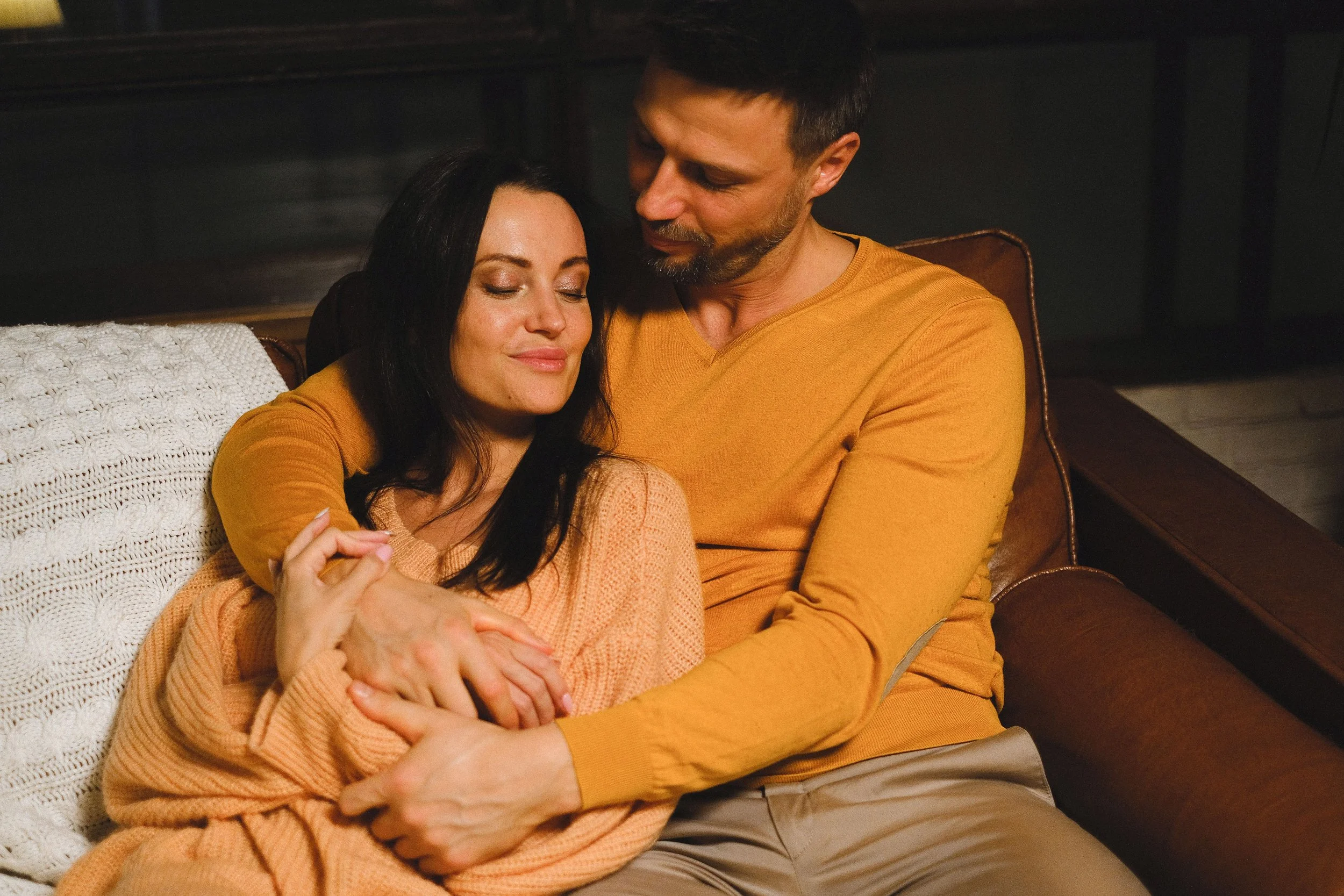
Maybe you discovered it and felt a grief you didn't expect. Maybe you've been the one keeping a secret and the weight of it has become its own kind of loneliness. Either way, you're here, and that already takes courage.
This is one of the hardest conversations couples have.
Pornography use in a relationship rarely stays just about pornography. When it quietly becomes the primary outlet for sexual energy, pulling that energy away from the relationship, it tends to reshape intimacy in ways that are hard to name but easy to feel.
Discovering that your partner has been turning to pornography instead of you doesn't feel like betrayal in the abstract. It's a painful feeling of being set aside, of wondering whether you were ever really wanted, or whether you've been competing with something you didn't know existed. Sex stops feeling like connection and starts feeling like something your partner needed that had nothing to do with you.
For the person caught in this pattern, the experience is rarely as clear as it looks from the outside. Often it's not an absence of love or attraction, but something that started small and became a pull that was hard to explain, one that made genuine closeness feel increasingly out of reach. The shame of that is real, and it tends to make the distance wider, not smaller.
The person using pornography compulsively is rarely doing it to hurt their partner, even though the hurt is real. Understanding what drove the pattern isn't about excusing it; it's about getting to the truth of what happened, which is the only place repair can actually begin.
When pornography becomes a problem in a relationship
When pornography use starts affecting your relationship
There's no universal threshold for when pornography use becomes a problem. What matters is whether it's affecting you, your partner, or the intimacy between you. Some signs it may be worth talking to someone:
If you're the partner who found out
You may be experiencing intrusive thoughts, emotional numbing, a loss of sexual confidence, or a fear that your partner isn't attracted to you or doesn't love you. The discovery feels like a betrayal even if you're not sure you're "allowed" to feel that way.
If you're the person caught in the pattern
It may have started small and become harder to step back from than you expected. You might feel shame, confusion, or a sense that genuine closeness has become harder to reach without quite knowing how to talk about it or who to tell.
In your relationship
Sexual intimacy has decreased or become strained. There's distance, resentment, or a sense that you're not fully seeing each other anymore. Conversations about it tend to end badly or not happen at all.
Beneath the surface
Pornography use can become a way to manage stress, avoid emotional vulnerability, or self-soothe in a way that gradually costs more than it gives. Old wounds around worth, safety, or closeness are often underneath it.
In the bedroom
Some people notice changes in sexual arousal or responsiveness with a partner when pornography use has become a significant part of their sexual landscape. If sex with your partner has become inconsistent, pressured, or something you've started avoiding, this may be part of the picture and it's more common than most people realize. It's one of the things therapy can help you understand and work through.
Therapy with me is sex-positive, shame-free, trauma-informed, and affirming of LGBTQIA+ individuals and queer relationships, with a focus on both individual healing and relationship repair. I have completed advanced clinical training in the treatment of compulsive sexual behavior, betrayal trauma, and infidelity recovery, as well as foundational training in sex therapy-informed practice (view professional training & credentials →). I bring specialized expertise alongside a relational framework that looks not just at what's happening on the surface, but at the experiences and patterns underneath that are keeping you stuck.

A relational approach, not a recovery program
This isn't a twelve-step process or an abstinence program. It's relational therapy, which means we're less interested in labeling what each person needs to change and more interested in understanding what's happened between you, and why.
Pornography use that has become a pattern doesn't exist in a vacuum. It develops in the context of a person's history, early experiences of emotional unavailability, attachment wounds, learned patterns of self-soothing and avoidance, and it lands in the context of a relationship, where another person has been quietly absorbing the cost. Both of those truths matter here, and both get space.
In our work together we'll look honestly at what the pornography use has been doing: what need it was meeting, what it was helping someone avoid, and what it quietly took from the relationship over time. We'll work to rebuild honest communication in a space where both partners feel safe enough to tell the truth without it becoming a verdict. And for the partner carrying the weight of betrayal, that experience gets the full weight it deserves, because grief about this is real grief, and it needs room before anything else can happen.
Repair after this kind of rupture is possible. Not a return to exactly what existed before, but something more honest, more seen, and often more genuinely connected than what the relationship held before the crisis. The couples who find their way through this aren't the ones who had an easier version of the problem; they're the ones who were willing to stay in the room long enough to understand it
Who this is for
Couples
Whether you're in crisis or trying to get ahead of a pattern you've both noticed, couples therapy offers a structured, safe place to move through this together, even when togetherness feels impossible right now.
Individuals
You don't need a partner in the room to begin this work. Individual therapy is a place to process your own experience. The betrayal, the shame, the confusion, the pull toward something that's become harder to step back from can all be worked through at your own pace.
Schedule a Consultation
You don't have to figure this out alone.
A consultation is a chance to ask questions and see if we're a good fit before you commit to anything. There's no pressure and no judgment.
Schedule a free consultation to talk about your needs, explore your options, and create a plan for moving forward with support and understanding. If you don’t see a time that works, email me at tsavener@seekthesun.net to share your availability, and we’ll find a time that fits.
I provide in-person therapy in Northwest Austin (MoPac & Far West), with additional in-person availability in Round Rock, TX, and secure virtual therapy throughout Texas.